Professional Flat Clearance in Tottenham for Flats and Homes
Flat clearance in Tottenham should be straightforward, tidy and handled with care. We help people clear unwanted furniture, appliances, household items and general clutter from flats and houses across the area, with a service shaped around the space you have and the work you need done. Whether you are dealing with a rented flat, a full property clear-out, or just a few bulky items that have become difficult to move, the aim is the same: make the process easier and leave you with a space that feels usable again. If you are comparing options, start with the services that matter most to you, then get in touch to talk through the job, or book online if you already know what needs removing.
Because every property is different, the best clearance service is not the one that sounds the broadest. It is the one that matches the access, the volume, the mix of items and the level of sorting required. That is why we keep the service practical and focused. If you need a simple furniture pickup, a larger full-flat clearance, or help with mixed household waste, we can explain what is involved and what the job is likely to need before anything is booked in.
Our work is designed for customers who want a clear result without spending the day moving items into the hallway, arranging disposal themselves or worrying about where everything should go. If you need a room emptied, a loft or garage stripped back, or a property prepared for sale, letting, refurbishment or handover, a planned clearance can save a lot of time. The service is also useful when you are helping a relative, dealing with an estate, or simply catching up after a period when clutter has built up faster than expected.
What our Tottenham flat clearance service covers
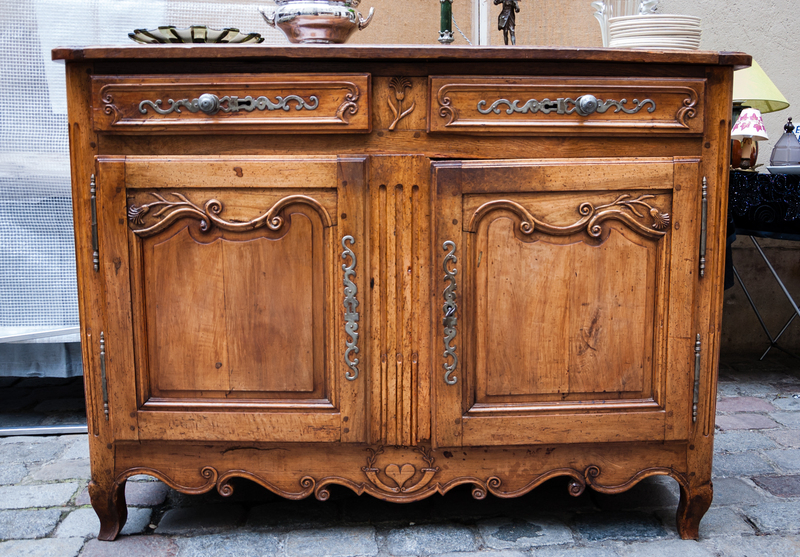
The core of the service is simple: we remove items you no longer want and take them away for responsible disposal or reuse where possible. That can include sofas, wardrobes, tables, chairs, beds, mattresses, white goods, boxes, bags of household contents, office items from a home workspace and general junk that no longer needs to stay on site. For many customers, the most useful part of the service is that it combines lifting, loading and removal in one arranged visit.
Flat clearance is not the same as cleaning, decorating or repair work. We do not scrub surfaces or make structural fixes as part of a standard clearance. What we do is help you create a clear, empty and workable space so the next stage of your plans is easier. If you need a separate removal for a specific item type, such as a bulky sofa or a fridge, you can also look at furniture clearance, furniture disposal and fridge and appliance removal where those services suit the job better.
The service can be used for single items or for a whole property, depending on what you need. Some customers only need one room cleared after a new delivery or an inheritance issue. Others have a full flat, a top-floor maisonette or a whole house that needs stripping back. The work can be adapted to each case, but it always starts with understanding what is there, what needs removing and what should stay behind.
If you are unsure whether a particular object can be taken, it is usually better to ask before moving it outside. Different materials need different handling, and some items may need separate arrangements. Clear photographs or a short list of what you want removed make it easier to confirm the right approach and avoid surprises on the day. This is especially useful for mixed jobs where household items, old furniture and waste are all present in the same room.
When a clearance is the right choice
Many people look for a clearance service when the property is still fully accessible but no longer convenient to live or work in. That could be because a tenant has moved out, a room has become overfilled, an upstairs flat has collected bulky furniture over the years, or a family home needs to be emptied before the next step. In those situations, a proper clearance is often more efficient than asking friends to help or trying to move everything in stages.
It is also a practical option if you have a deadline. For example, you may need a property ready for viewings, a landlord inspection, or work by decorators or contractors. In that setting, speed matters, but so does order. A good clearance should still feel organised, with care taken around shared hallways, tight staircases and limited parking. If your job includes wider waste or mixed rubbish, our waste removal and home clearance pages may also be useful for comparing the best fit.
For customers who are clearing a property after a move, a bereavement, a downsizing decision or a long period of accumulation, the emotional side can be just as important as the physical work. In those cases, a respectful approach matters. It is often helpful to sort what must stay, what can be passed on, and what can go straight for removal before the visit. That makes the day smoother and helps you keep control of the important items.
Clearance can also be the right choice where the aim is to create space for a new layout rather than fully empty every room. Sometimes the customer only wants a spare bedroom cleared, a living room reorganised or a storage area opened up again. Those jobs may be smaller than a whole-property clearance, but they still benefit from careful planning because bulky furniture and awkward access can make a seemingly simple task harder than it looks.
How the service is usually arranged
We keep the process direct so you know what is happening and what information is needed. If you are deciding whether to book, these are the usual steps:
- Tell us what needs removing and where the property is in Tottenham.
- Describe the items, the access and any awkward points such as stairs, narrow doors or limited parking.
- Share photos or a short inventory if that helps to show the size and quantity of the load.
- Agree the scope of work so everyone understands what stays, what goes and any special handling needed.
- Choose a suitable time and prepare the space as much as you reasonably can.
That process works for both small and larger jobs because it keeps the quote tied to the actual work. It also helps avoid confusion where a customer says “flat clearance” but really means a single bulky item, or where a room looks tidy at first but contains more waste once cupboards, corners and storage spaces are checked. The more clearly the job is described, the easier it is to keep it efficient.
Where access is difficult, it is useful to mention that early. Flats above ground floor level, narrow stairwells, shared entrances and parking restrictions can all affect how a clearance is carried out. The same is true if items need to be dismantled before removal, or if they are unusually heavy, fragile or mixed with loose rubbish. These details do not make the work impossible, but they do help determine the right amount of labour and time.
You can also use this stage to decide whether you need a broader property clean-up or a more targeted service. A simple clearance may be enough if the goal is just to remove objects and waste. If you are dealing with outbuildings or a cluttered storage space, garage clearance, loft clearance and garden clearance may be more suitable depending on the location of the items and how they are stored.
In many cases, the customer does not need to overprepare. You do not have to carry everything to the front door or sort every bag in advance if that would be awkward. What helps most is a clear picture of the job and a sensible plan for access. If there are items you want kept aside, it is better to mark them clearly before the visit rather than relying on memory during the clearance itself.
What to think about before booking
A good enquiry is not long, but it should be specific. A shortlist of details is usually enough to make the next step clear. You should think about the following points before asking for a quote or arranging a collection:
- the type of property, such as a flat, maisonette or house;
- the rooms or areas involved, for example a living room, bedroom, loft or garage;
- the main items to remove, especially if they are bulky or heavy;
- whether there are stairs, lifts, narrow hallways or difficult parking;
- whether any items need dismantling, separating or careful handling;
- the date you would prefer, if there is a deadline;
- any items that must stay in the property.
Those details are often enough to confirm whether the service is a good fit. They also help you compare quotes on a like-for-like basis. A cheaper figure is not necessarily better if it assumes fewer items, different access or less labour. When the job is being judged properly, the most useful quote is the one that matches the real work rather than a rough guess.
If you are clearing a flat after a move or tenancy change, it can help to separate the job into what is essential and what can wait. For example, you might need beds, sofas and white goods removed immediately, while a few boxed items can stay until you have checked their contents. That kind of staging keeps the clearance manageable and prevents accidental removal of something you still want.
Some customers are also trying to decide whether they need a clearance or one of the more specific waste services on the site. If the job is mainly rubbish rather than furniture, builders waste clearance or business waste removal may be more relevant. If the focus is a general domestic clear-out, the main flat clearance service remains the best starting point.
Furniture, waste and mixed household items
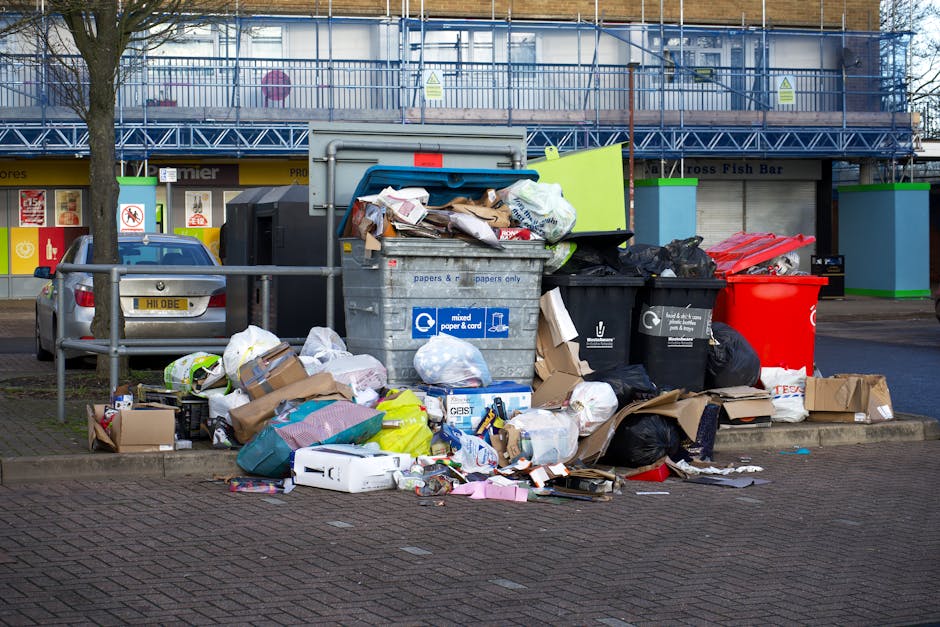
Flat clearances often involve more than one kind of item. That is normal. A room may contain an old sofa, a broken wardrobe, cardboard, loose bags, electrical items and a few household pieces that have simply accumulated over time. The work becomes easier when the mixed load is identified early, because different items can affect how much carrying, loading and sorting is involved.
Where possible, reusable furniture and usable household items may be separated from waste that needs disposal. That is not just good practice; it can also make the job more sensible and less wasteful. Of course, not everything can be reused, and not every object is worth dismantling or moving twice. The important thing is to judge each load realistically and not force a one-size-fits-all method onto every property.
There is a difference between removing a single item and clearing a room full of mixed materials. A chair, for example, is straightforward to move. A large wardrobe that has to come apart in a tight hallway is a different kind of task altogether. If your property includes items like that, mention them early so the job can be planned with the right level of labour and access in mind.
For customers who need help with specific item types, related services can be useful. A mattress, a fridge or a suite of sofas may deserve a more focused booking if those are the only things involved. Where a property contains several types of items at once, the clearance can usually still be arranged as one visit, but the description should reflect the real mix rather than a general label alone.
That same principle applies to spaces like garages, lofts and spare rooms. Some look like simple storage spaces until they are opened up properly. Once boxes, old furniture and forgotten bags are counted, the volume can be greater than expected. The best way to keep the job manageable is to be clear about what is there and what the goal is: empty the room completely, remove the large items only, or clear enough space for a new use.
Pricing for flat clearance in Tottenham
Because no fixed tariff is shown on this page, the most honest way to think about pricing is to focus on the factors that change the amount of work. A flat clearance quote is usually shaped by the volume of items, the type of material, the ease of access and the time needed to lift and load everything safely. A small stack of light household items is very different from a full flat with heavy furniture and awkward stair access.
What you pay is therefore tied to the job details, not just the name of the service. If the clearance includes large wardrobes, bulky beds, appliances or furniture that has to be dismantled before it can be moved, that adds to the work involved. If the property is on an upper floor, has tight turns or limited parking, that can also affect the quote because it changes the time and labour required. Mixed rubbish can make things more complex too, especially when items need sorting before they are loaded.
It is also sensible to compare quotations on the same basis. Make sure the prices you look at cover the same rooms, the same access conditions and the same items. One quote may seem lower simply because it assumes a smaller load or excludes items that another provider has included. A good quote should be easy to understand and should not rely on vague assumptions about the amount of work.
For larger or more complicated clearances, it helps to provide photos, approximate counts or a room-by-room list. That makes the quote more accurate and reduces the chance of changes later. If the job is straightforward, the details may be simple. If it is a full-property clearance or a mixed domestic and furniture job, the clearer the information, the easier it is to give a fair price. For related guidance on cost and planning, you may also find pricing and quotes useful.
When budgeting, remember that clearance work is about more than just transport. It includes the labour to reach the items, move them safely and take them away in a way that suits the load. If you are comparing different services, think about what is actually being handled. A service that removes furniture only is not the same as one that clears a whole property, and a service for loose waste is not the same as one that includes heavy lifting. That is why the best comparison is always on the same scope of work.
If you would like to discuss a specific job, the fastest next step is usually to send a short description and any photos that help show the scale of the task. You can then decide whether to go ahead, adjust the scope or combine the clearance with another related service. For a broader overview of what is available, the main flat clearance and house clearance pages are useful starting points.
Flat clearance in Tottenham and the surrounding neighbourhoods
Tottenham is a busy part of North London with a mix of terraces, mansion blocks, estates, converted flats and newer developments. That variety matters for clearance work because access is not the same in every building. Some properties have generous road access and easy loading points, while others involve stairs, compact entrances or shared hallways that need a more careful approach. A good clearance service has to work with the property as it is, not as it would be in an ideal world.
The area also has a strong residential feel, with everyday life shaped by schools, local shops, transport links and a lot of active household movement. That means clearances are often linked to practical moments: moving out, rearranging a family home, reducing storage, or getting a flat ready for its next use. In those situations, timing and organisation are often just as important as the removal itself. The service should fit around the property and the schedule rather than forcing extra disruption.
For customers in Tottenham, it can be helpful to think about how the clearance fits the wider home or letting plan. If the flat is part of a larger move, you may need one room cleared first so the rest of the property can be sorted in stages. If the job is connected to a rental changeover, it may be useful to leave space for repairs, cleaning or checks after the items are gone. If you are managing several tasks at once, keep the removal work separate from the follow-on work so each stage can be planned properly.
A practical local resource for households in Tottenham
For items that need to be taken away separately, the local household waste and recycling service can be useful, especially when you are sorting through mixed contents before or after a clearance. Residents may need to check what can be taken to local reuse or recycling facilities, what is accepted as household waste and what needs separate handling. It is also worth remembering that business waste, trade waste and some bulky items may not be handled in the same way as normal domestic rubbish. If you are deciding what should go with a clearance and what should be dealt with separately, that distinction can save time and avoid confusion.
Recycling and reuse are most helpful when they are planned early. A clear divide between items to keep, items to donate, items to recycle and items to remove makes the clearance simpler. If you are already sorting a flat, that kind of planning can reduce the amount of back-and-forth on the day and help the job move along more smoothly.
Area-specific jobs also benefit from local knowledge in a practical sense. Knowing that a property is in Tottenham gives the team the right starting point for access planning, but the real decisions still depend on the building itself, the amount of furniture and the way the items are stored. That is why a short, accurate description of the clearance is so valuable.
Talk to us about your clearance
If you are ready to clear a flat, house or other property in Tottenham, the simplest next step is to send through the details of what needs to go. We can then help you decide whether a flat clearance, furniture removal or a broader house clearance is the right fit. Where needed, we can also guide you towards the most suitable related service, such as office clearance for work items or garden clearance for outside spaces.
The more specific your description, the easier it is to keep the work efficient and the quote aligned with the actual job. A few clear notes or photos are often enough. If you are not sure how to describe the items, just list the main pieces and the rooms they are in, and we can take it from there.
Whether you need a simple one-item pickup or a full-property clearance, the goal is the same: remove what is no longer needed and leave you with a cleaner, more practical space to move forward.