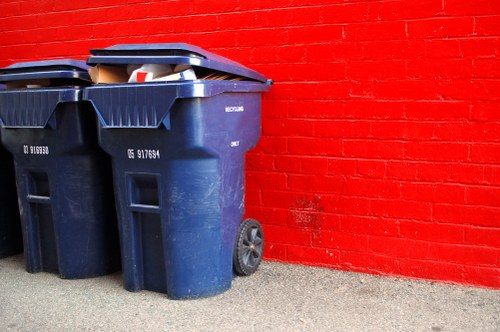
 Flat Clearance Tottenham takes a clear, measurable approach to reducing landfill and promoting an eco-friendly waste disposal area across the borough. Our introduction to sustainable flat clearance focuses on responsible removal, reuse and recycling of household items from flats and maisonettes. We work alongside local waste systems to make sure each job contributes to a greener Tottenham and to a more efficient sustainable rubbish area network for residents and landlords alike.
Tottenham flat clearance: sustainable practice and measurable targets
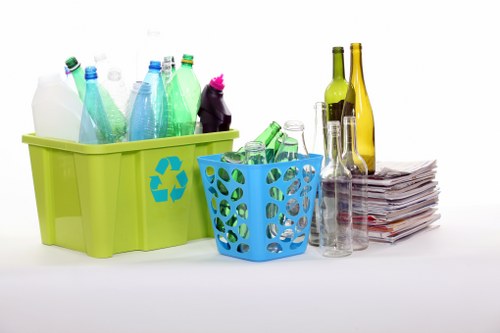 Our Tottenham flat clearance service prioritises diversion from landfill. We have set a company-wide recycling percentage target of 70% for all materials recovered from clearances — a target that includes reuse, donation and proper recycling. This target is ambitious but achievable by combining rigorous on-site sorting, partnerships with local reuse organisations, and close coordination with transfer stations.
How the borough and our service support waste separation
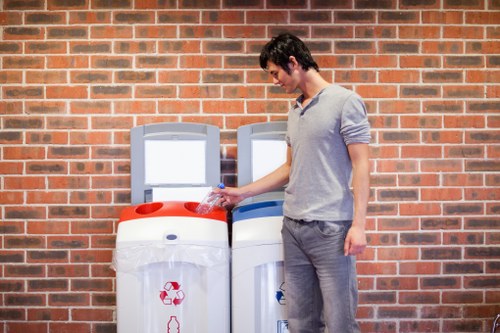 The boroughs that cover Tottenham promote simple waste separation systems: dry recyclables (paper, card, glass, rigid plastics), food waste, and residual (non-recyclable) waste. Our flat clearance teams follow these principles during a clear-out, pre-sorting items so they can be processed correctly by the local authority. By aligning our approach with Haringey and neighbouring boroughs, the Tottenham flat clearance team ensures that the items we collect can enter established recycling streams rather than being incinerated or landfilled unnecessarily.
Recycling percentage target and reporting
We monitor every job and report on diversion rates, aiming to consistently meet or exceed the 70% recycling rate. For many clearances that include furniture, appliances and textiles, the reuse and repair route accounts for a large proportion of this percentage. Where repair isn't possible, materials are channelled into specialist recycling flows (e.g., metal, wood, electronics) to maximise recovery. Our Tottenham flat clearance operations keep detailed records so we can refine sorting practices and publish anonymised performance indicators that track progress towards our sustainability goals.
To support low-carbon logistics, our fleet includes electric and hybrid vans alongside low-emission Euro 6 vehicles. Route planning software reduces mileage and idle time, lowering emissions during transportation. Beyond vehicles, we adopt fuel-efficient loading techniques and coordinate multi-stop pickups to support an eco-friendly waste disposal area ethos in every job we undertake.
Local transfer stations play a central role in our model: we work closely with the North London Waste Authority network and local household recycling centres to direct materials to the correct facilities. For example, bulky non-recyclable items are taken to appropriate transfer stations for further sorting and processing while well-maintained furniture and electronics are diverted to reuse partners.
Our partnerships with charities and community organisations are a cornerstone of the Tottenham flat clearance approach. We collaborate with local reuse charities, community groups and social enterprises that accept furniture, appliances and usable household goods. These partnerships create social value as well as environmental benefit: items that can be used again are offered to local people in need or sold through charity shops to fund local services.
 In practice, this means donation pathways are embedded into the clearance workflow. Items flagged for donation are logged, photographed and transported separately from waste destined for recycling or disposal. This separation increases the likelihood that usable goods reach the right charity partner and reduces contamination rates in the recycling stream.
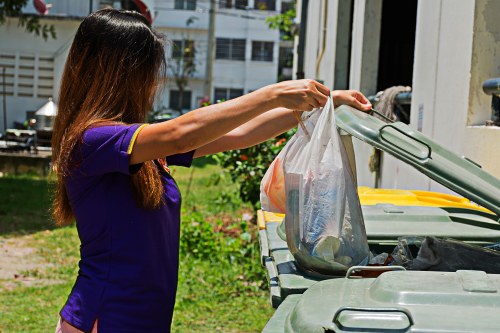 Our Tottenham flat clearance teams also support local community projects such as refurbishment schemes and skills workshops where repaired furniture is reused. These collaborations help reduce the amount of material entering the residual waste stream and strengthen community resilience by creating low-cost options for furnishings and household items.
Key elements of our sustainable rubbish area strategy include:
- On-site segregation of recyclables, organics and residual waste to meet borough recycling standards.
- Direct donation routes to local charities and reuse organisations to extend product life cycles.
- Use of low-carbon vans and optimised routing to cut transport emissions.
- Clear reporting and a target of 70% recycling** for all clearance materials.
These steps make the Tottenham flat clearance process not just a removal service, but a contribution to a local circular economy. By keeping materials in use and prioritising repair and reuse, the environmental footprint of each clearance is reduced, and the overall pressure on local waste infrastructure is eased.
What residents can expect: when you request a flat clearance in Tottenham, our team will assess items for reuse, recycling and disposal. We will explain how we propose to route each category — from textiles and small electricals to large items like sofas and beds — and will always prioritise donation or recycling where feasible. Our methods adhere to local borough guidance on separation and aim to enhance Tottenham’s record on sustainable rubbish management.
We continue to invest in training, partnerships and vehicle electrification to strengthen our role in creating a greener, more resource-efficient Tottenham. Through collaboration with transfer stations, charities and residents, Flat Clearance Tottenham can deliver a reliable, environmentally responsible service that supports borough-level separation strategies and advances a practical eco-friendly waste disposal area across the community.